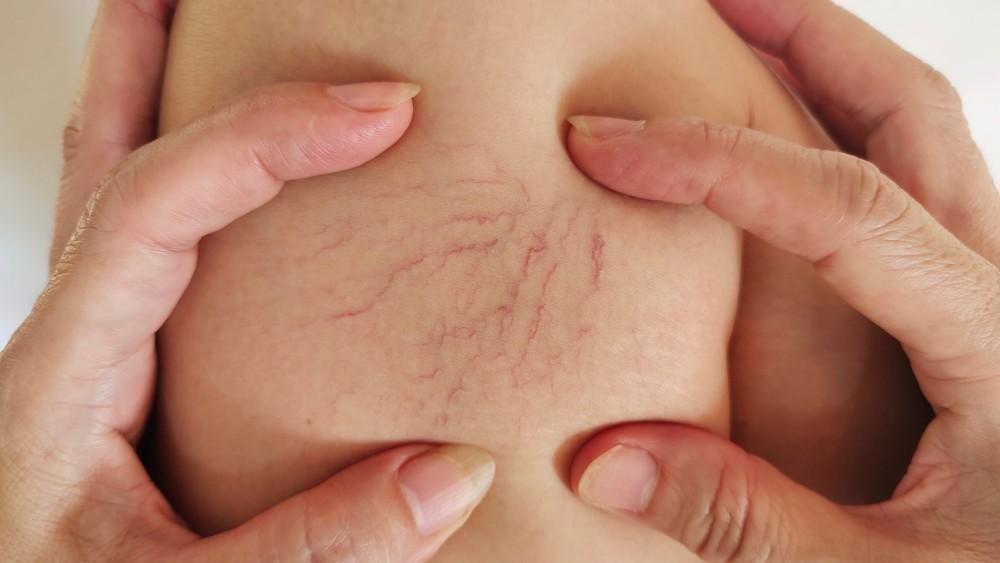
Varicose veins are blood vessels that are damaged and defective. Due to aging or extra pressure in the veins, the valves that are meant to stop blood from back-flowing collapse. Instead of moving forward, the blood retreats and pools behind the valve, causing the vein to swell and twist.
When the weather is warm, your varicose veins may cause you to feel embarrassed by the way they make your legs look. You may change your habits or outfits so your legs aren’t exposed on the beach or while taking a stroll.
But looks aren’t the only reason to cover up your legs if they’re marred by varicose veins. When the weather turns colder, extra layers of clothing can help protect them.
At Texas Heart and Vein Multispecialty Group, we want you to stay comfortable and safe, whatever the weather. Our vein expert, Jon-Cecil Walkes, MD, recommends taking special care if you have varicose veins.
What does winter cold do to your varicose veins? Following is a brief summary, and how you can keep your circulation flowing, regardless of the temperature.
Your veins constrict
When your body is subjected to cold, it naturally wants to preserve as much body warmth as possible. To do so, your blood vessels contract. This vasoconstriction happens rapidly. Because your blood vessels are now narrower than normal, it’s harder for the blood to pass through them.
The most difficult areas in your body for your blood to circulate are your hands and feet, because they’re the farthest from your heart. When you’re cold, you may find that your feet and fingers become numb, and you lose dexterity.
Varicose veins already work poorly. Their flabby valves don’t help to push the blood forward, which means your circulation stagnates. However, the vasoconstriction that occurs in colder weather helps push the blood forward, possibly relieving some varicose vein symptoms.
Your blood gets thicker and your pressure higher
When the temperatures plummet too far, though, your blood may become thicker. This can increase the risk of a blood clot. If you have deep vein thrombosis, it’s important to keep your legs warm with leggings, tights, pants and other layers to help your blood circulate.
In addition, thicker blood and narrower vessels mean that your heart must use more force to push blood throughout your body. This can result in higher blood pressure, which may exacerbate any issues you have.
How to tell if your veins are struggling
Your body may give you clear signals that the weather is too cold for your varicose veins. You may experience:
- Persistently cold hands and feet
- Tingling or numbness in limbs
- Swollen legs or ankles
- A bluish tinge to fingers or toes
If you notice any of the above symptoms, or if your legs feel swollen or painful, contact us immediately.
Keep your blood flowing
Just as your blood vessels contract to stay warm, you may be tempted to contract your routine and snuggle at home to avoid the cold temperatures. But that’s the opposite of what you should do.
Instead, keep yourself active to increase blood flow. If it’s too frigid to hit the track, do a high intensity interval training session at home. Exercise dilates your veins and lets the blood flow more freely.
In addition to dressing in layers to stay warm, you may consider wearing compression socks or stockings. These specialized garments squeeze your feet and legs, helping blood to flow upward.
Also, be sure to stay hydrated with plenty of water and healthy, unsweetened liquids and whole foods. Avoid alcohol, which can interfere with your body’s ability to retain heat.
Consider varicose vein removal
You don’t need varicose veins: They’re broken, they’re damaged, and they won’t get better. Winter is an ideal time to remove them because your legs are already covered and protected for the season. And when spring and summer arrive, your legs will be varicose vein-free and ready for warm-weather fashions.
Get help with your varicose veins or remove them for good today at Texas Heart and Vein Multispecialty Group. Phone or message our nearest Houston, Texas, office. We serve Greater Heights, Pearland Market, League City, Lake Jackson, Manvel, Rosharen, Alvin, Fresno, Missouri City, Arcola, Friendswood, South Houston, Kingwood Market, Humble, New Chaney, Atasciacita, and Northeast Houston.